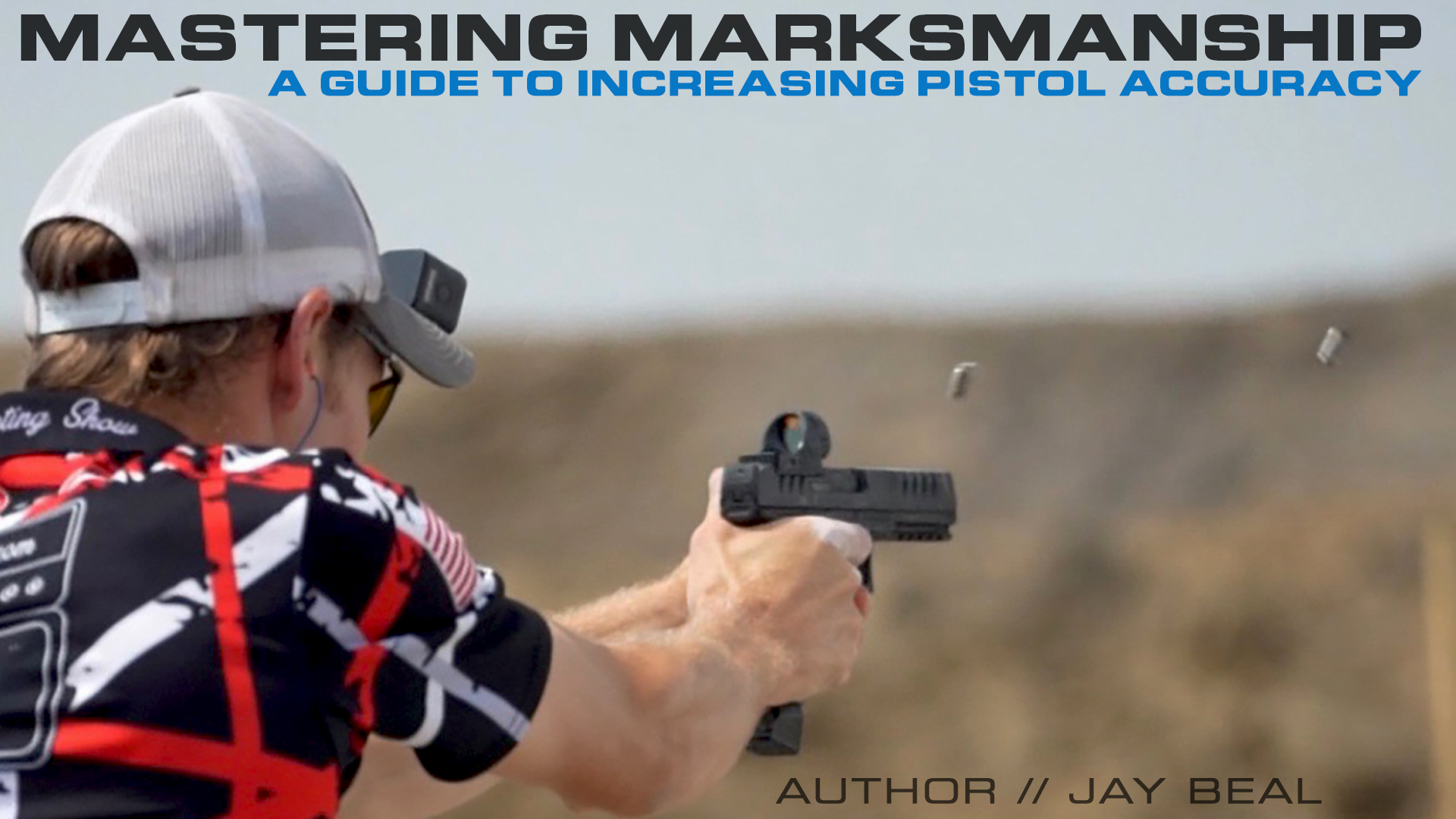
Mastering Marksmanship: Tips and Tricks for Better Accuracy
Jay Beal, hailing from Maine, has made a name for himself in the competitive shooting world, particularly within the United States Practical Shooting Association (USPSA) and the International Practical Shooting Confederation (IPSC), where he has earned several top-10 finishes. A dedicated family man, Jay balances his passion for shooting with life at home with his wife and two children. He’s widely recognized for his expertise in dry-fire training, a discipline that has earned him considerable respect among peers. Jay also shares his insights and experiences on the popular podcast “That Shooting Show” with Steve Anderson, offering tips, strategies, and stories from the competitive shooting circuit, further cementing his status as a thought leader in the sport.
In shooting sports, self-defense, or law enforcement, achieving a high level of pistol accuracy is a fundamental skill. Whether you’re a beginner or an experienced shooter, improving accuracy is an ongoing process. Developing accuracy without a time limit is the first step. After that, testing accuracy at speed is where I’ve found the most growth. We will cover both elements in detail.
- Pulling the Trigger Without Moving the Sights
When the sights are aligned on the target and you pull the trigger without disturbing that alignment, you will always hit the target’s center. This sounds simple, and truthfully, it is. However, a feeling of urgency to release the shot can introduce unnecessary movement in the sighting system. Start with dry-fire practice using an unloaded pistol. Align the sights on the target, pull the trigger, and observe what happens to the sights when the trigger breaks. After a few minutes, you’ll develop a sense of what it feels like to pull the trigger without disrupting the aligned sights. This drill can be tested in live fire, where you’ll get actual feedback on the target and reinforce your understanding of a “good” trigger pull. Remember, there is no time limit here… yet.
- Grip & Trigger Control
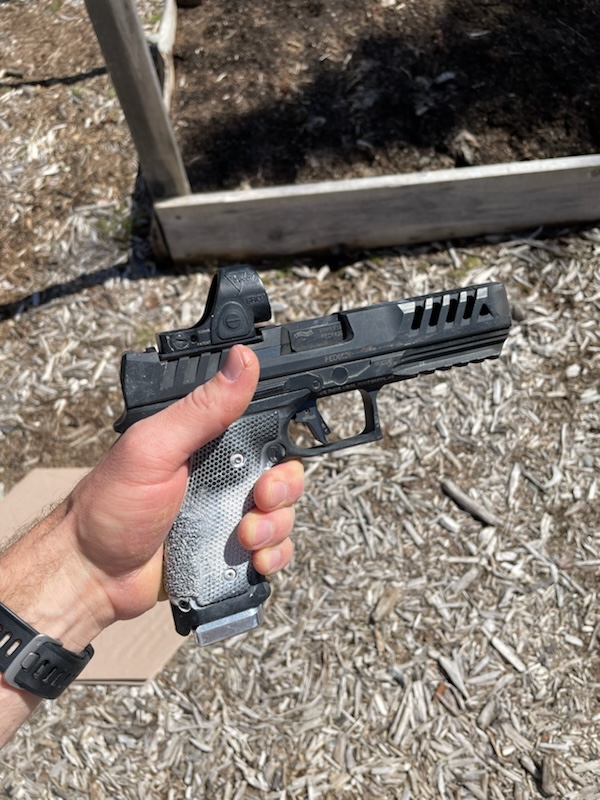
I combine these two elements because they are critical for achieving both speed and accuracy. Grip is often overcomplicated, but I prefer to keep it simple: the firing hand should sit as high as comfortably possible on the grip, with the support hand filling the empty space on the side of the frame. As for the question “How hard do I grip?”—grip firmly enough to prevent the pistol from shifting in your hands during live fire. An easy way to test this is to record a slow-motion video from the support-hand side. Using grip enhancers or improving the texture of the grip can make it easier to maintain a stable hold during recoil.
For trigger control, we’ve already practiced pulling the trigger slowly without a time limit. Now, we can work on pulling the trigger quickly under a time constraint. As with most skills, we can train in dry fire and test in live fire. Start with your grip set, hold the sights on the target, and pull the trigger NOW! This may introduce errors, which is good—it means you can learn and adjust how you pull the trigger and hold the pistol. A common issue is tightening the other fingers while pulling the trigger, causing the sights to dip. The goal is to learn to pull the trigger quickly without moving the sights, which is achieved through repetition. Practice consistently to improve any skill.
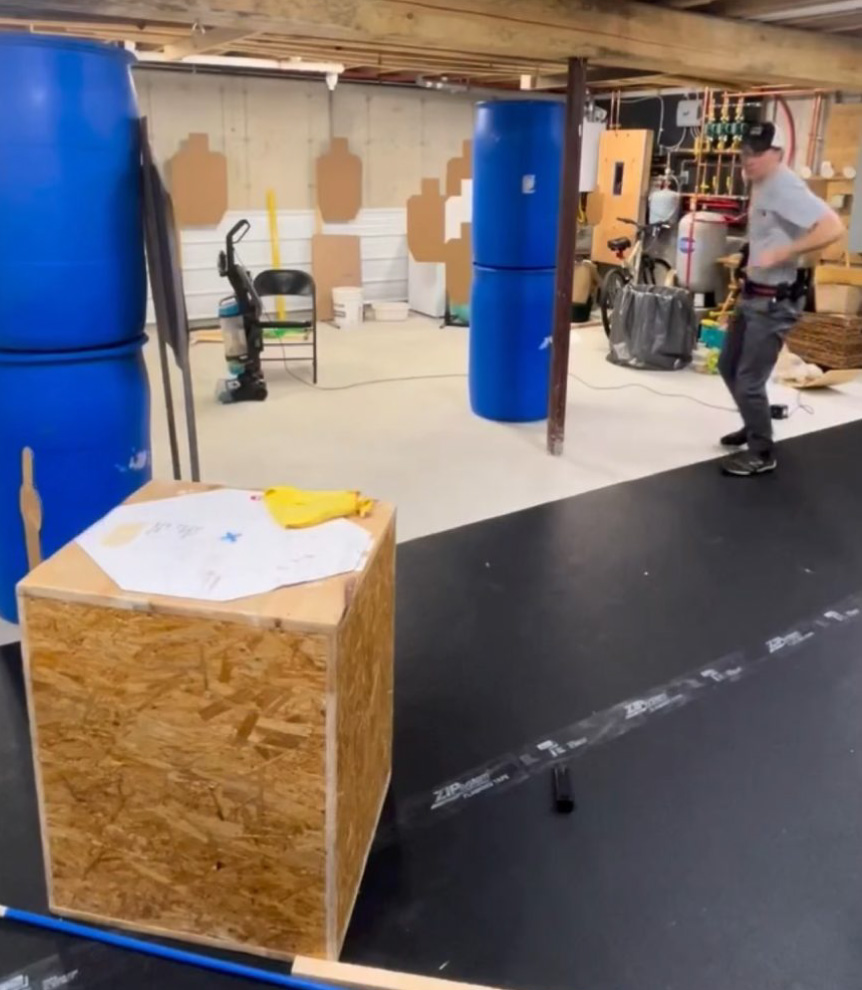
Like all skills we seek to improve, consistent practice over time is the most effective approach. Dry-fire training will make up the bulk of your practice because it doesn’t require a trip to the range and it’s free. Less than five minutes a day working on these skills will improve accuracy and speed. Confirming your dry-fire practice with live-fire sessions is also important to ensure you’re training efficiently. Tools like cardboard targets and a shot timer can enhance your training. A shot timer, whether an app or a dedicated device, will help you measure improvement and increase the pressure you feel during training, accelerating the learning process.
It’s also a great idea to take a training class, regardless of your skill level. I generally take a class every couple of years to get direct feedback on how to improve. Classes are also an excellent way to accelerate your development as a new shooter.
In conclusion, developing pistol accuracy is a continuous journey that requires dedication, practice, and attention to detail. By focusing on one skill at a time, you can significantly improve your marksmanship. Becoming a proficient pistol shooter takes time and effort, but the rewards—both in skill development and confidence—are well worth it. Keep refining your technique, seek guidance when needed, and enjoy the process.